
Disc & Nerve Program in Cary & Wake Forest
Doctor-led care • Structured phases • Reassessment checkpoints
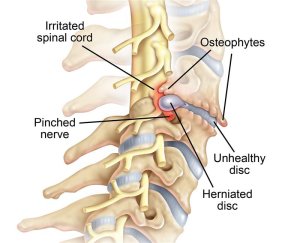
Spine Diagram
Structured, Doctor-Directed Care for Disc Injuries and Nerve Pain
Persistent back or neck pain that travels into the arms or legs is often a sign of disc involvement or nerve compression. When spinal discs lose height, bulge, or herniate, they can place pressure on nearby nerves—leading to pain, numbness, tingling, weakness, or loss of function.
The Disc & Nerve Recovery Program is a structured program that is designed by Dr. Atkinson to address disc-related and nerve-related conditions using a comprehensive evaluation and advanced, non-surgical care.
This program is not based on generic treatments or one-size-fits-all plans. Care decisions are guided by clinical findings and adjusted over time based on how your body responds.
Conditions Commonly Addressed
This program is commonly recommended for patients with:
- Herniated or bulging discs
- Sciatica or radiating leg pain
- Cervical or lumbar radiculopathy
- Disc degeneration with nerve symptoms
- Arm or leg numbness, tingling, or weakness
- Chronic back or neck pain that has not responded to standard care
- Understanding Disc Bulges & Herniation

How This Program Is Different
Many patients with disc or nerve pain have already tried isolated treatments with limited or temporary results. The Disc & Nerve Recovery Program is different because it focuses on:
- Identifying the source of nerve irritation
- Reducing mechanical stress on affected spinal segments
- Supporting disc and nerve recovery over time
- Monitoring progress and adjusting care as needed
Rather than treating symptoms alone, this program addresses the structural and neurological factors contributing to persistent pain.
Comprehensive Evaluation & Clinical Oversight
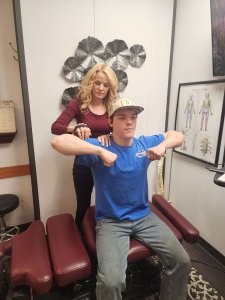
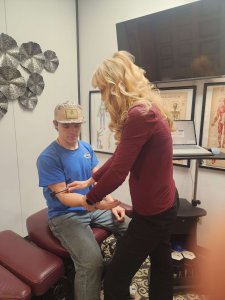
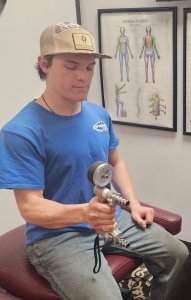
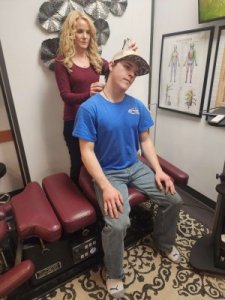
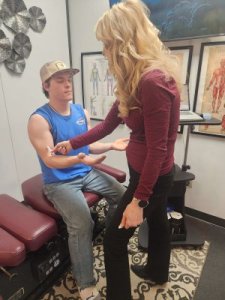
Care in this program begins with a comprehensive evaluation that includes a detailed history, orthopedic and neurological examination, and movement assessments. Based on what we find, your care plan is tailored specifically to your anatomy, symptoms, and functional goals.
Evaluation may include:
- Orthopedic and neurological examination
- Movement and functional assessment
- Review of prior imaging or advanced imaging evaluation when indicated
- Correlation of symptoms with exam findings
This information allows care to be targeted and appropriate, rather than generalized.
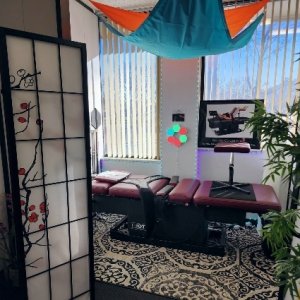
Hill DT Spinal Decompression Cary
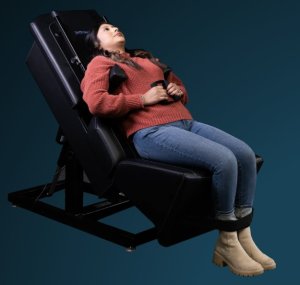
Back on Trac Spinal Decompression Wake Forest
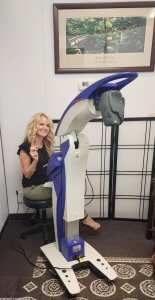
MLS Laser Therapy Cary
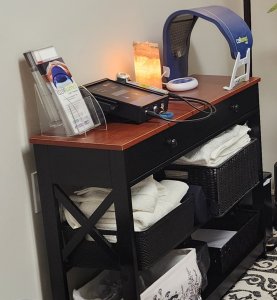
Apollo Laser Therapy Wake Forest
Doctor-Directed Care Approach
The Disc & Nerve Recovery Program uses a combination of chiropractic care and advanced therapeutic technologies when clinically appropriate. These tools are selected based on individual findings and response to care, not predetermined protocols.
Care may include:
- Chiropractic care focused on spinal mechanics and nerve function
- Spinal decompression when indicated to reduce disc and nerve stress
- Advanced laser therapy to support tissue healing and recovery
- Ongoing clinical monitoring and reassessment
Not every service is used in every case. Care decisions are made by the doctor and modified as recovery progresses. All evaluations and care plans at Chiropractic Pain & Injury Center are overseen by Dr. Tammy Atkinson, DC, with nearly two decades of clinical experience treating spine, nerve, and injury-related pain.
Ongoing Assessment & Progress Monitoring
Disc and nerve conditions change over time. For that reason, progress is evaluated at key points during care to determine:
- Symptom response
- Functional improvement
- Neurological changes
These checkpoints allow care to be adjusted to remain aligned with recovery goals.
Who This Program Is Best Suited For
This program is designed for patients who:
- Have disc-related or nerve-related symptoms
- Experience pain that radiates, persists, or returns
- Have not responded fully to basic or short-term care
- Are seeking a non-surgical, structured approach
- Want care guided by clinical findings rather than guesswork
Common Questions About Disc & Nerve Pain
What causes disc-related nerve pain?
Is surgery always necessary for disc or nerve problems?
How do you know if nerve compression is part of my pain?
Can disc or nerve pain come back if it’s not properly addressed?
How do you decide if spinal decompression is appropriate?
How long does nerve irritation typically take to improve?
Next Steps
If you have been diagnosed with a disc problem, nerve compression, or sciatica—or if your symptoms have not improved despite prior care—a structured evaluation can help determine whether the Disc & Nerve Recovery Program is appropriate for you.
Schedule a consultation to learn more about your options.
CONTACT US
⭐ Locations
Cary Location
Wake Forest Location
